


People follow different hobbies to pass their time; they pass their time to make their minds fresh from their daily hectic routine. Reading is a sideline that not only gives knowledge but also helps to enhance vocabulary.
A book can help you visit those places you would not be able to visit or books can tell the history of our ancestors. Reading books can bring you fresh perspectives on how to approach different situations in life. You can use it to explore new interests and find your passions.
Depending on its design and intended usage, a shelf in a library could be categorized as either a bookshelf or a component of a bookcase.
The shelf would probably be regarded as a bookshelf if it stands alone and is used only to store books. It would probably be regarded as a bookcase if it is a component of a bigger piece of furniture that includes numerous shelves and storage areas.
Before starting our topic, let’s remember some reading benefits to motivate ourselves to read.
Benefits of Reading
- In today’s world where people get easily depressed and anxious, reading can help them reduce stress.
- Reading can engage your mind to be creative and think differently.
- Reading increases the level of intelligence in your brain, the more you read the more you get knowledge.
- It can boost your brain power, sense of critical thinking, and social behavior.
- Reading and learning is a process that never ends, it is contagious.
At last, we can say that reading is a therapy which can help in fighting mental disorders.

Role of the Library in the Society
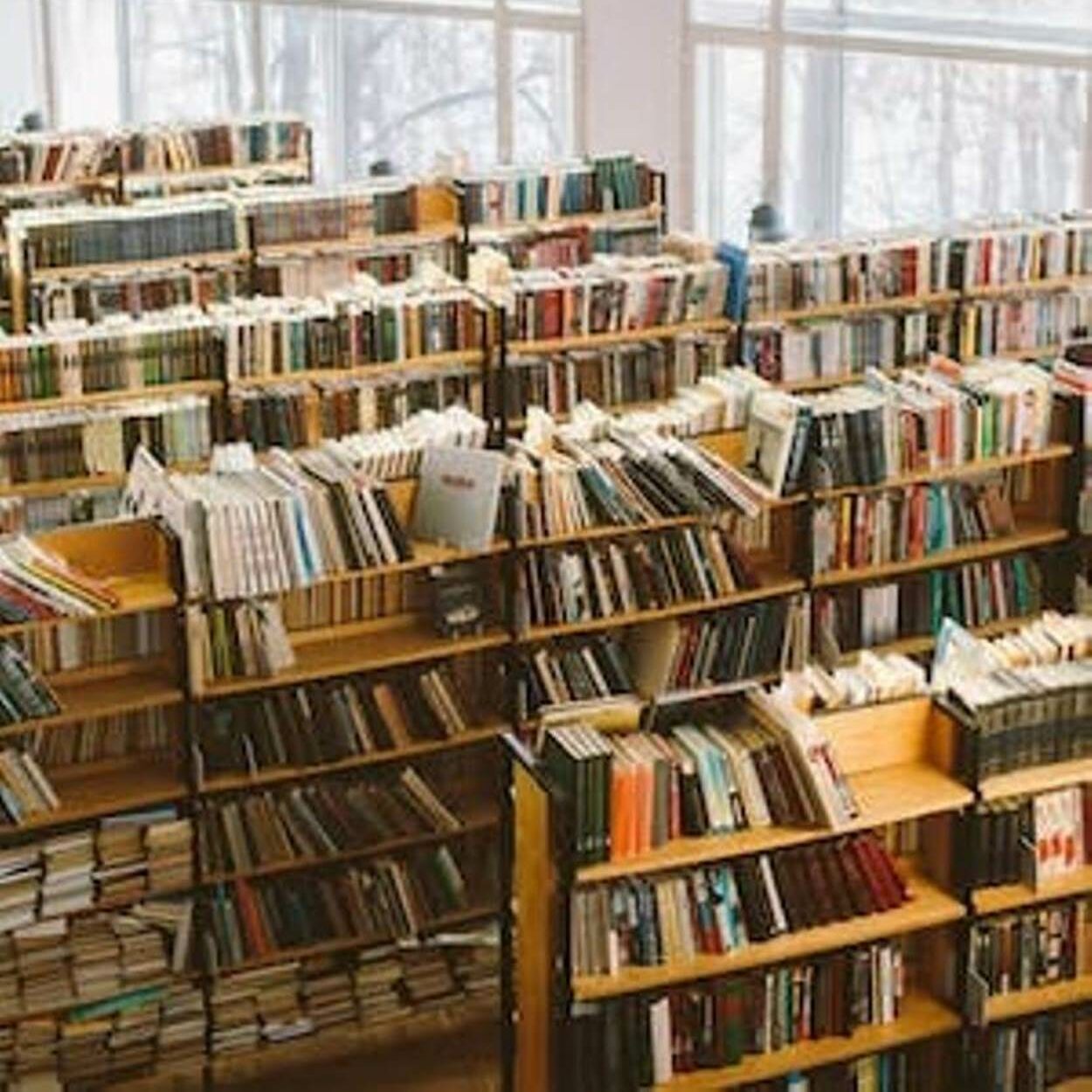
A library plays an important role in society in means of spreading education and literacy. The library is derived from a French word that means book or Latin liber, a book. A library is a place where lots of books are kept for people in society.
Other resources for reading such as newspapers, CDs, digital books, and journals are also provided by the library. At present time, digital form libraries are also offering various services including digital e-books, mind games, membership, and other e-webinars.
Library and society are linked with each other. Library transmits and assembles information via books and other reading material.
Book lovers purchase books and gather them; they set up a room referred to as a library room or set up a book corner for this purpose. For keeping books safe and tidy, people also use a bookshelf or a bookcase.
Now, let’s study the difference between these two.
Bookcase
Commonly, people relate bookcases and bookshelves to wooden furniture, of the same kind. But a bookcase is a different kind of furniture used to keep books or other things.
We can simply say, a wooden piece of furniture with so many shelves, or a single shelf having glass doors for protecting your things from dust.
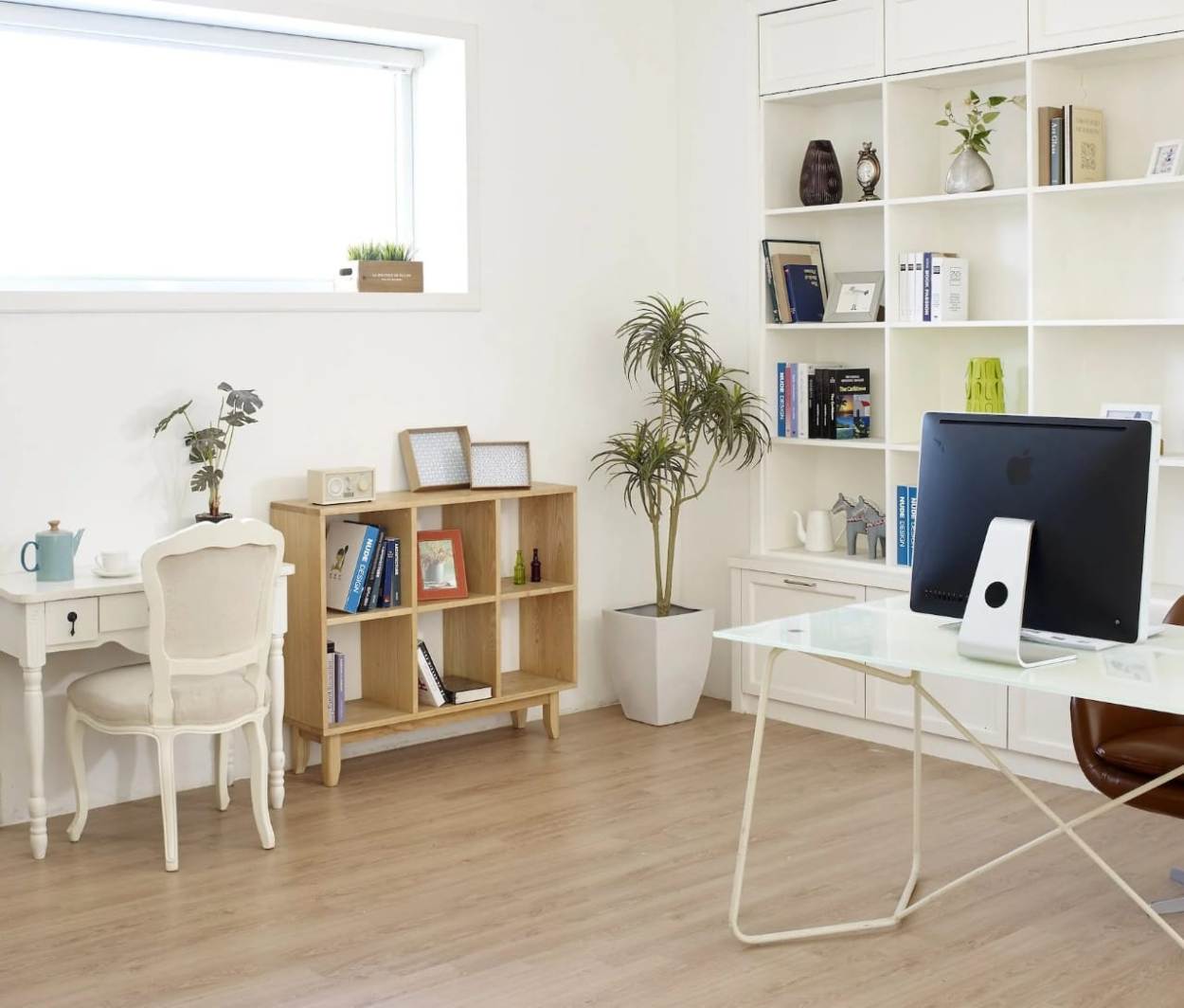
Bookcases are of different types and designs. In some designs, the bookcase has a closed wooden wall at one side and is open from three sides. It is designed to keep on the floor. The bookcase is more traditional, freestanding, large, and narrow.
Types of Bookcase
Depending on the space, color contrast, and lighting of the room; which type of bookcase suits you best? Let’s explore.
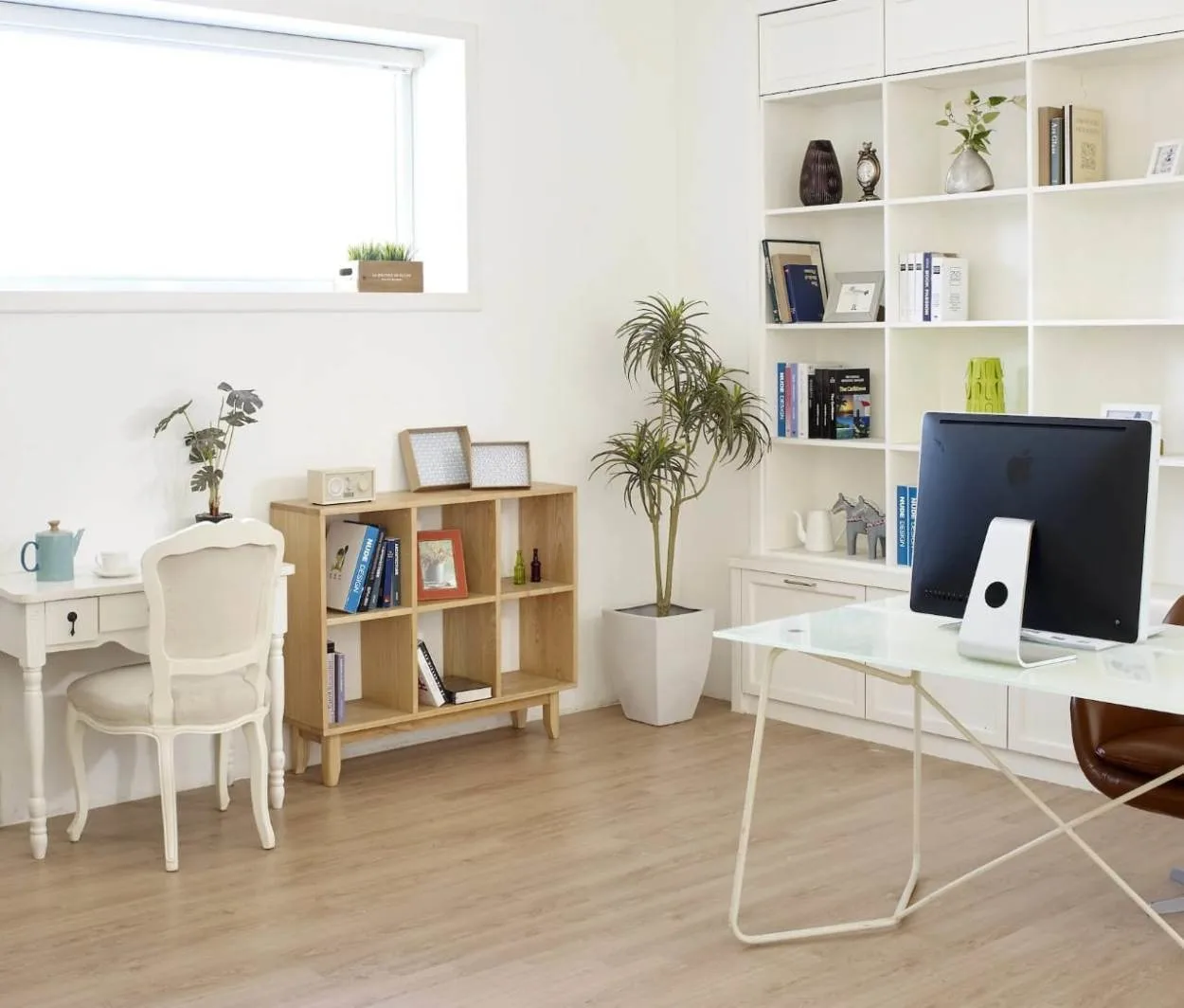
- A simple or standard bookcase: A bookcase of cube or rectangular, is divided into many shelves. A backless bookcase is used to keep your decorative items and plants for a refreshing look.
- Ladder bookcase: A bookcase with a freestanding style, having many shelves in a ladder. It is a backless bookcase and can be kept anywhere in the house. Not only for books, but you can also use this ladder-style bookcase in the pantry, garage, and laundry room as well.
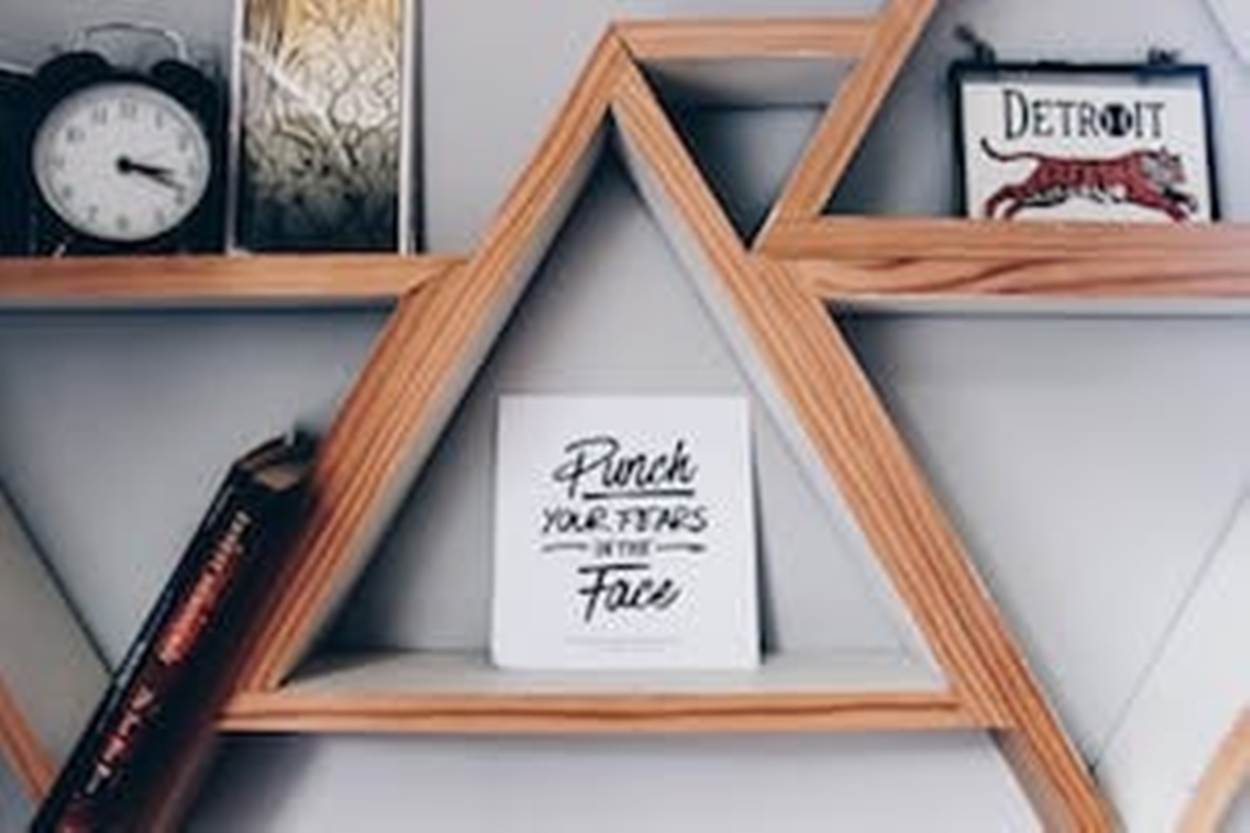
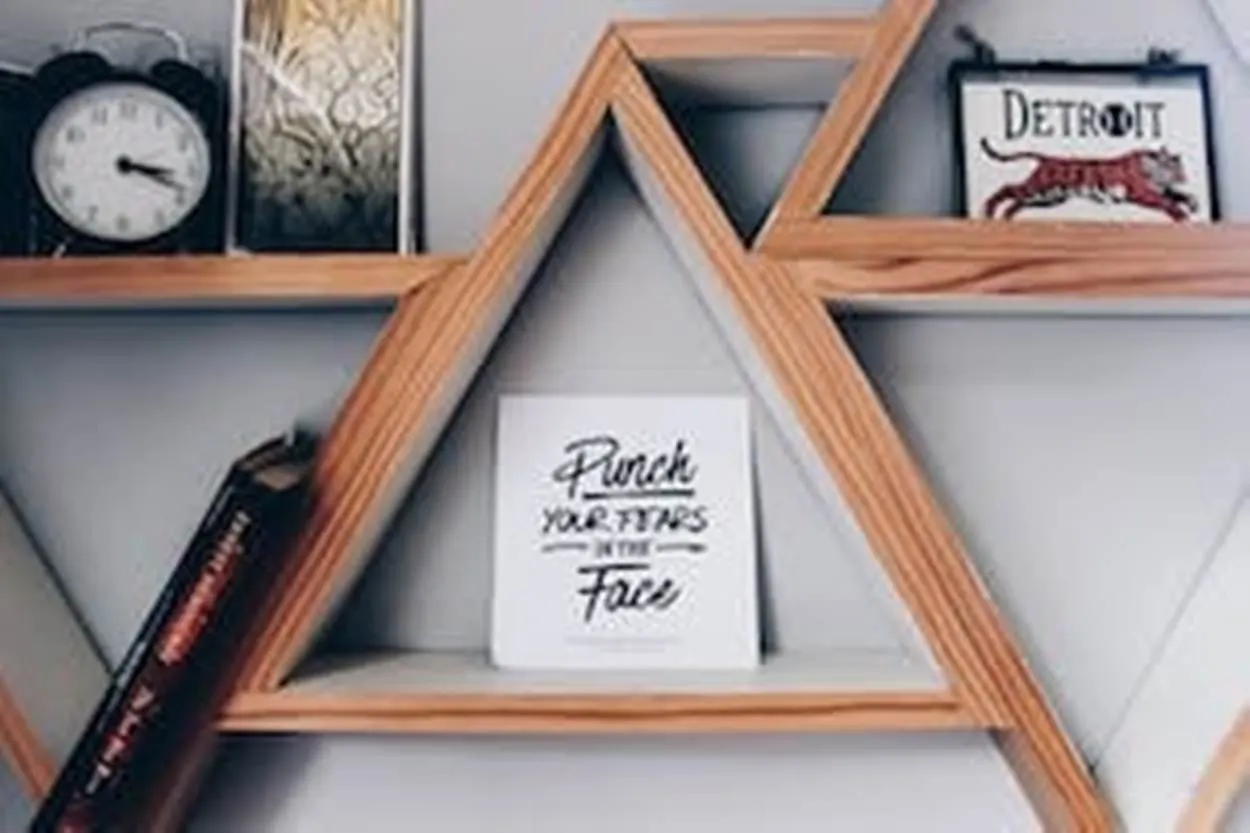
- Geometric bookcase: Finding a unique artistic piece? Why not a geometric bookcase? A bookcase divided into horizontal and vertical squares in different sizes looks elegant and can be fit in a small space. You can also display cards, photo frames, DVDs, and art pieces.
- Corner bookcase: An attractive piece for a confined space, having many shelves. It offers multipurpose uses such as displaying medals and prizes, art pieces, and small plants.
- Bookcase with drawers: A drawer bookcase consists of some plain shelves and drawers at the bottom or in the middle. You can use this bookcase for multi-purpose items such as office files, important documents, and other items that you don’t want to display.
- A unique or round shape bookcase: Have enough space for a bookcase or a decorative piece? Why not a round bookcase? A round bookcase with backless support made of iron or wooden shelves looks pretty attractive. A round bookcase is more convenient for a kid’s room as there are no sharp corners which are dangerous for kids. The bookcase is easy to clean and can be placed anywhere to give an aesthetic look.
Bookshelf
We love books and bookshelves. At present times, it is an essential furniture item in every home. Not only for displaying and protecting your books, but you can use them for displaying more items such as antique art pieces and decorative objects.
As for bookcases, there are so many other types of bookshelves found in the market. Let’s take a look at each type explaining their looks, capacity, and uniqueness.
- Modular bookshelf: A modular bookshelf is made of different sections and components. The squares in the modular bookshelf vary in size and shape. It comes in a set, which you can assemble at home with the help of screwdrivers and given keys. It not only stores your reading stuff, but this also can serve as a storage solution at your home or in your office.
- Traditional bookshelf: Traditional bookshelf typically refers to a simple older-style bookshelf consisting of tall, rectangular compartments. It is made of wood and looks classy in appearance. You can fix either it on the wall or keep it on the floor as well.
- Industrial bookshelf: Industrial bookshelf is supposed to be the most spacious bookshelf. It is made of metal or iron rods and wooden shelves. It is best for living rooms, entryways, home offices, and study rooms.
- Rustic bookshelf: Rustic bookshelf gives an old empire look, and shows simplicity and interest in art. The organic wooden patterns display the warmth and elegance of your space. It is made of wood with a rust color.
- Vintage bookshelf: If you love an older-style antique look, a vintage bookshelf is perfect for you. It is a versatile and unique statement; displaying a handicraft look that catches the eye.
Ways to Style Your Bookshelf or Bookcase
Nowadays, where people live and spend money to decorate their homes. They want to make their home versatile and traditional.
Here are some ways to master how to decorate or flourish your bookshelf at home.
- First, find the best place for your shelf or case, whether it should be hung on the wall or placed on the floor. Before fixing make sure the things will be easily accessible.
- No matter how many books you want to keep on the shelf, don’t stuff it heavy or full. Leave some space to showcase the beauty of books and other decorative items.
- Put heavy books at the bottom and lighter ones at the top.
- Maintain and set a good color scheme and light at the corner of the bookshelf.
- Use meaningful items, and give priority to books, after finalizing the book setting you can set other decorative items such as photo frames, art pieces, old crockery, medals, and prizes.
Lastly, you have command of your things and your choices. By using your creativity, set your bookshelf or bookcase which gives you a calming effect and perfect look.
Which Would a Shelf in the Library be Classified to be?
Library classification and shelving is a time taking process. It is a process in which library resources and materials are organized systematically.
In this specific classification, books are arranged in a hierarchical tree formation. In recent times, faceted classification methods are used to classify libraries.
Library Shelving
The major element of library shelving is to maintain the library according to the requirement for the designed selection. As per the rule, book stacks can cover 50% of the space in the library.
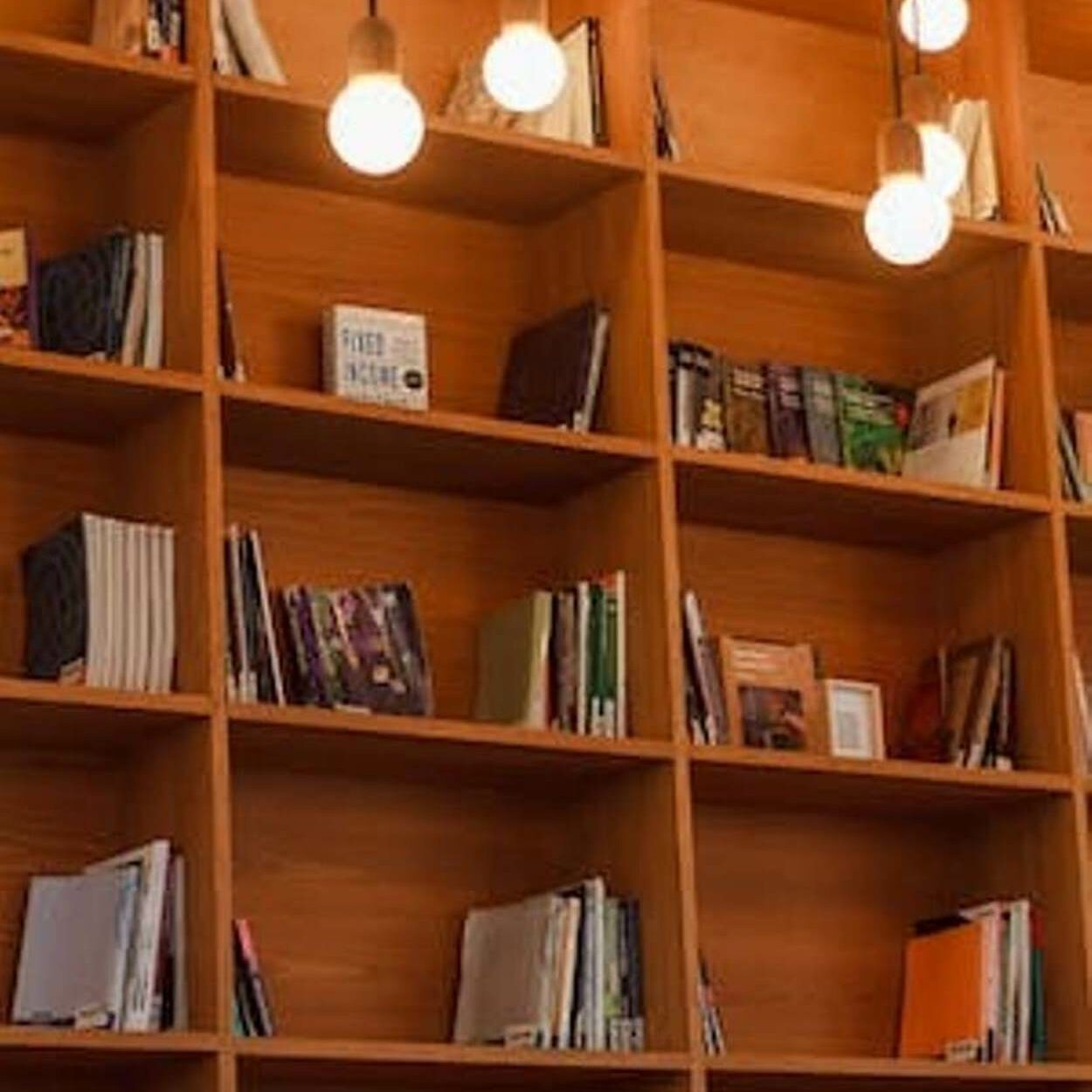
Bookshelves or bookcases both can be used in the library as per the requirement or the space available. Book stacks in the library can be of different shapes or designs and should be wide, easily accessible, and well-planned.
To design a library project, first, calculate the width and height of the space, and also the number of stack units you want to display. For this purpose, simple mathematical calculations can be used.
In addition to traditional library shelving, many libraries also use mobile shelving systems that allow for greater flexibility in organizing and reorganizing the library’s collection. Mobile shelving systems can be moved and reconfigured to adapt to changing storage needs and space constraints.
All around, library shelving plays a significant position in conserving a well-organized and available library collection, and it is an important consideration for library planners and designers.
Dewey Decimal System
A shelf in a library is generally categorized based on the Dewey Decimal Classification (DDC) system, which is a numerical technique that categorizes texts according to their subject concern.
The DDC system splits all understanding into 10 major types, each of which is assigned an extraordinary digit:
000 – Computer science, data & public works
100 – Philosophy & psychology
200 – Religion
300 – Social sciences
400 – Language
500 – Natural sciences & mathematics
600 – Technology (Applied sciences)
700 – The arts
800 – Literature & rhetoric
900 – Geography & History
Books are then also divided into subcategories, with each subcategory selected with a decimal number. For example, a chemistry book might be categorized as 540 in the DDC system, while a book about antique Rome might be categorized as 937.
Library of Congress Classification System
In the Library of Congress Classification System, library shelves are classified by subject area using a combination of letters and numbers. For example, books on history may be assigned the letters D or E, while books on science may be assigned the letter Q.
Regardless of the classification system used, library shelves are designed to organize books and other materials in a logical and accessible manner, making it easy for patrons to find the materials they need.
Difference Between the Bookcase and Bookshelf
| Features | Bookcase | Bookshelf |
| Size | A bookcase is usually taller and larger than a bookshelf. | A bookshelf is typically smaller and more compact. |
| Storage capacity | A bookcase usually has more shelves. | A bookshelf can store more books than a bookshelf. |
| Design | Bookcases are frequently organized to be freestanding and are utilized as room dividers. | Bookshelves are more plausible to be wall-mounted. |
| Material | Bookcases can be created from a wider combination of materials, containing wood, metal, and plastic. | Bookshelves are more commonly made from wood. |
| Functionality | Bookcases may have drawers or cupboards in expansion to shelves, providing different storage options. | Bookshelves are generally more fundamental in design and position |
| Customizability | Bookcases can be customized to fit a specific space or decor style. | Bookshelves are generally less customizable. |
| Versatility | Bookcases can be used to show additional information rather than just books. | Bookshelves are generally used exclusively for book storage. |
What are the Different Types of Bookshelves?
There are several types of bookshelves, including wall-mounted bookshelves, freestanding bookshelves, corner bookshelves, ladder bookshelves, and modular bookshelves.
What are the Different Types of Bookcases?
There are several types of bookcases, including open bookcases, closed bookcases, barrister bookcases, leaning bookcases, and modular bookcases.
How do I Choose the Right Bookshelf or Bookcase?
To choose the right bookshelf or bookcase, consider factors such as the size of the room, the amount of space you have available, the number of books you need to store, and your personal style preferences. You may also want to consider the material, color, and design of the piece.
How do I Clean and Maintain my Bookshelf or Bookcase?
To neat and maintain your bookshelf or bookcase, use a soft cloth or brush to extract dust and dirt regularly.
You may also like to use a wood cleaner or polish to maintain the chunk glancing at its best. Stop utilizing abrasive cleaners or harsh chemicals that could harm the surface of the part.
Conclusion
- In summary, both bookcases and bookshelves are functional pieces of furniture designed to hold books and other items.
- Bookcases are typically larger and more complex, while bookshelves are smaller and simpler.
- The choice between the two depends on personal preference, space constraints, and the amount of storage needed.
- You are in control of your actions and decisions; set up your bookshelf or bookcase creatively to provide a relaxing effect and the ideal appearance.
Other Articles
- What Is The Difference Between Fair Skin And White Skin? (Facts Revealed)
- What’s The Difference Between Hiragana Katakana And Kanji? (Learn The Words!)
- The Varied Faiths Of Heathens, Heretics, And Pagans (Explained)
- What Are The Differences In Physical Appearance Between People Of Various Middle Eastern Countries? (Find Out)