
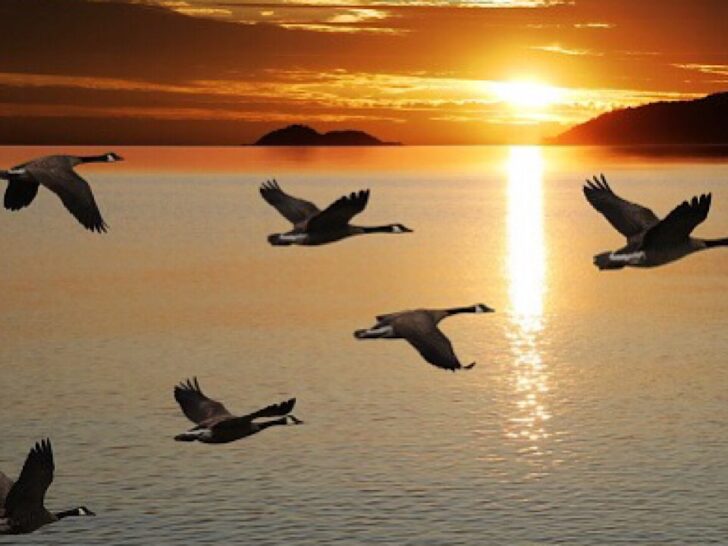
You immediately picture swans, ducks, and gees. There’s no need to get technical because you can identify them by their characteristics and appearance.
However, have you ever considered the significance of Goose and Geese?
A goose is a singular form; if there are multiples, it becomes geese. Geese come in two different varieties. The common species has an entirely white body.
In contrast, the second kind of geese has a white underside and chinstrap markings on a black neck. We refer to it as a Canadian goose.
What Do Geese Do?
Swans, ducks, and geese are all members of the Anatidae family. They are herbivorous birds with a reputation for being loud and aggressive. These animals can be found nearby freshwater lakes, ponds, rivers, and streams.
They either build their nests on the ground or in an elevated location out of twigs, grass, leaves, lichen, and mosses. Geese resemble swans in appearance but differ in that they are smaller and have a black or orange bill.
What Separates Geese From Goslings?
The terms “goose” and “geese” refer to the same aquatic birds. Simply put, a goose is a singular bird, whereas a goose is a plural bird.
As a result, you would refer to an aquatic bird “the same” as another as a “goose” when multiple aquatic birds are present.

| Flock | Gaggle |
| A company or group of living things; — most frequently used to refer to sheep and birds, but also sporadically used to refer to people, cattle, and other large animals (except in the plural), as in a flock of ravenous fowl. | To cackle, to make a noise akin to a goose, is defined as the verb. A group of scavenging geese. |
3 Frequently Used Collective Nouns for Geese
A goose becomes a family whenever it joins a group. They perform incredible feats while circling in a group or congregating on land.
When they band together, what do you call them? We can suggest something for it.
Gaggle Of Geese
The majority of them are found in flocks and gaggles. Others are also in use, but few people are familiar with them. Here are some collective names for the group of geese. Read out the first three most popular names for the group of geese.
The most popular name for this incredible creature is a gaggle. Do you know the origin of this name among geese? A gaggle of geese, so-called due to their location. They are called a gaggle when they congregate in groups on land.
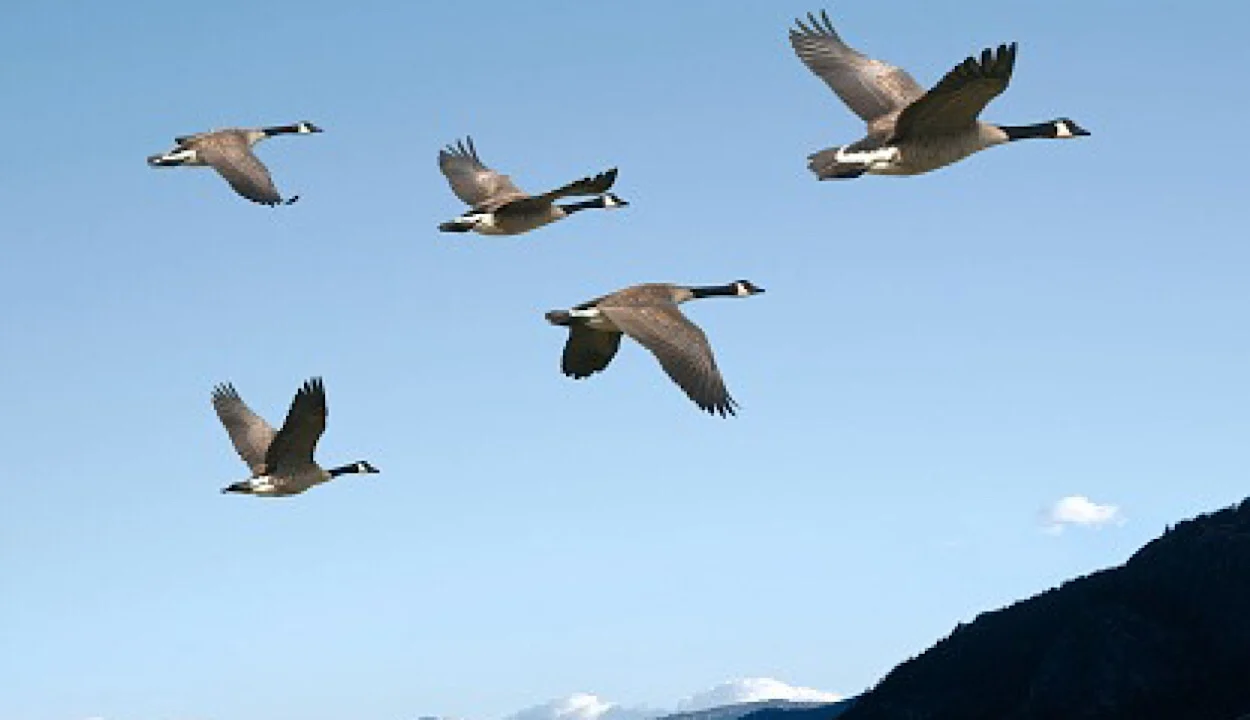
Flock Of Geese
- Ever wanted to see a herd of geese?
- Yet how can you tell that it is a flock? Not to worry!
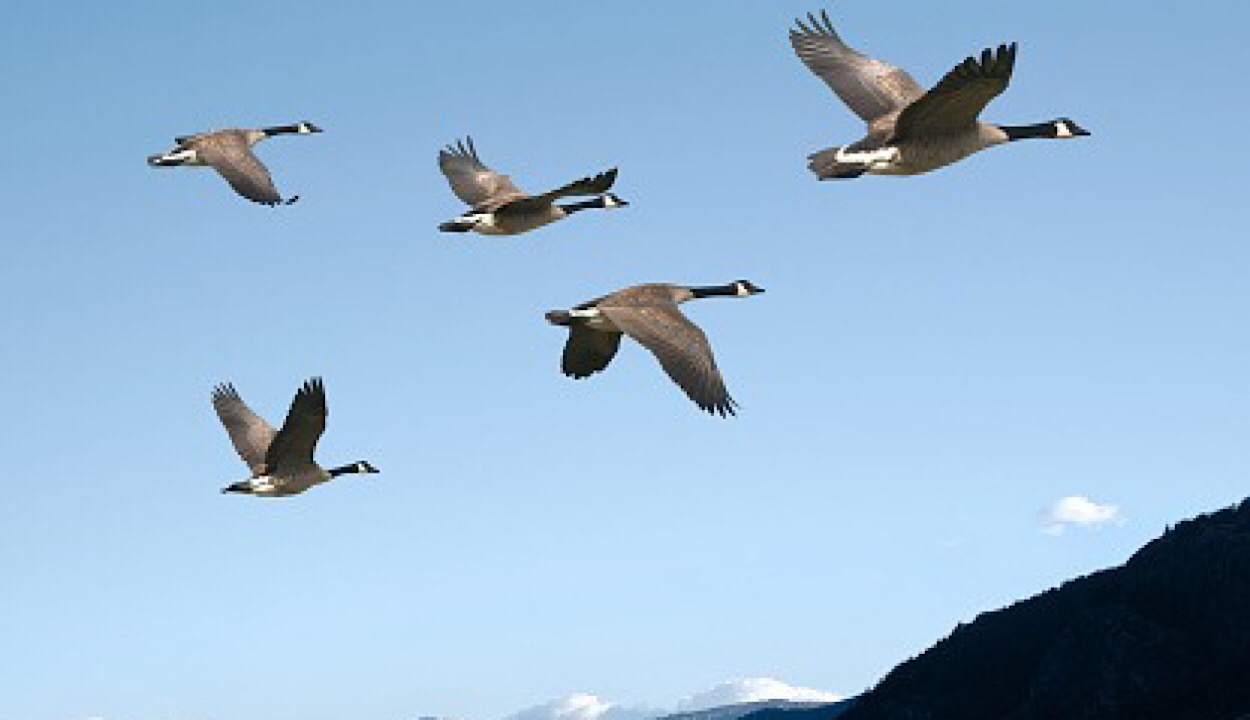
A flock of geese is referred to when a group of geese of the same gender comes together. Large groups are typically referred to as a flock. This family has more than four members.
To flock is to move as a unit or community. Thus, since geese fly in flocks, it is appropriate for them. Also includes domesticated geese in the congregation.
Team of Geese
The Team of Geese is another widespread collective noun for a group of geese. You better believe it. Geese are skilled team players. They display their teamwork by flying in a v-shape. The bird in the front flaps its wings to assist the other in flying farther.
It is challenging for anyone to benefit from uplift if they depart from the formation. It then attempts to rejoin the group. When the team’s leader becomes fatigued, the other player steps up, and the first returns to the formation.
The leader is urged to keep moving forward by the entire group. They assist their weaker person as well. Due to all of these qualities, they are referred to as a team of geese.
Some Other Terms
Skein Of Geese
Skein of geese is the name for the flying flock of geese. Skein originally meant a thread or yarn.
The term therefore applied to geese because of the size of their communities. Their practical and organized lines make them look like a long piece of wool flying in the sky.
Plump Of Geese
The shape of the plump is rounded and chubby. The plump of geese is the name for a group of numerous geese flying closely together.
This family consists of at least three individuals. They take on a fully rounded shape when flying very closely together.
Wedge Of Geese
The shape of the plump is rounded and chubby. The plump of geese is the name for a group of numerous geese flying closely together.
A flock of geese flying in a wedge formation. It is not required that it be in V or J form. Echelons are the name for the V-shaped formation of geese. They occasionally also fly in a straight line.
Difference Between Flock Of Geese And Gaggle Of Geese
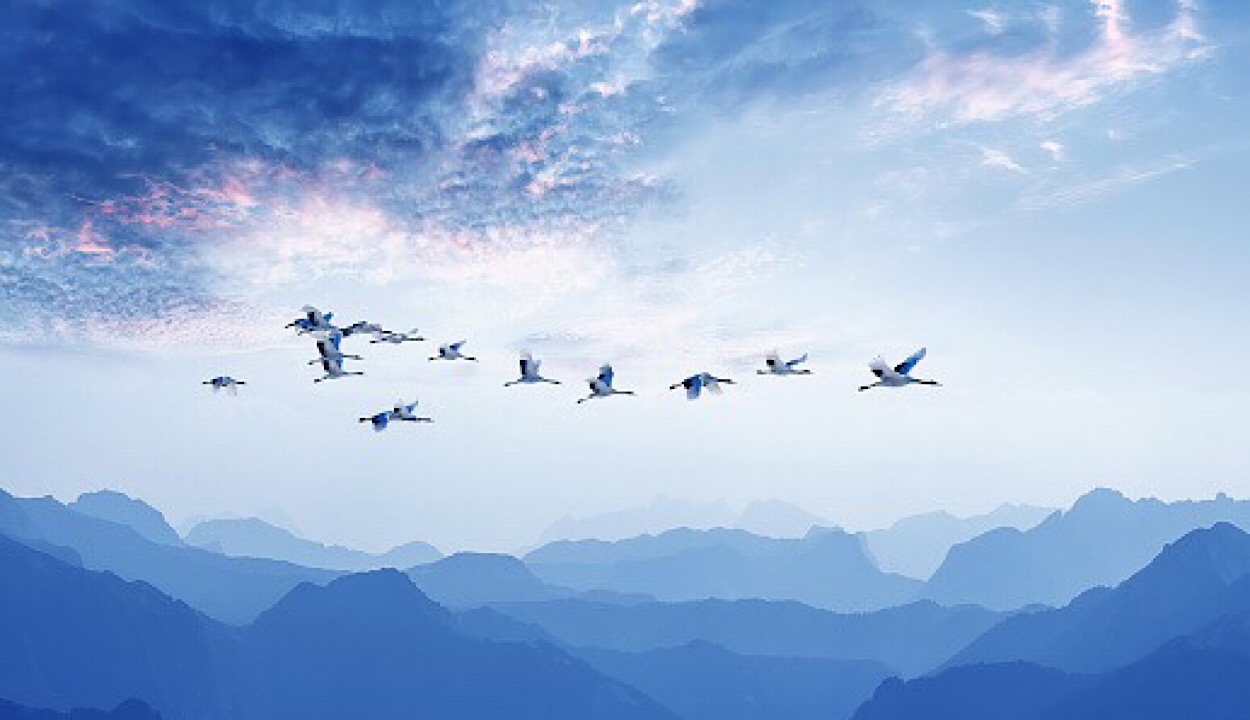
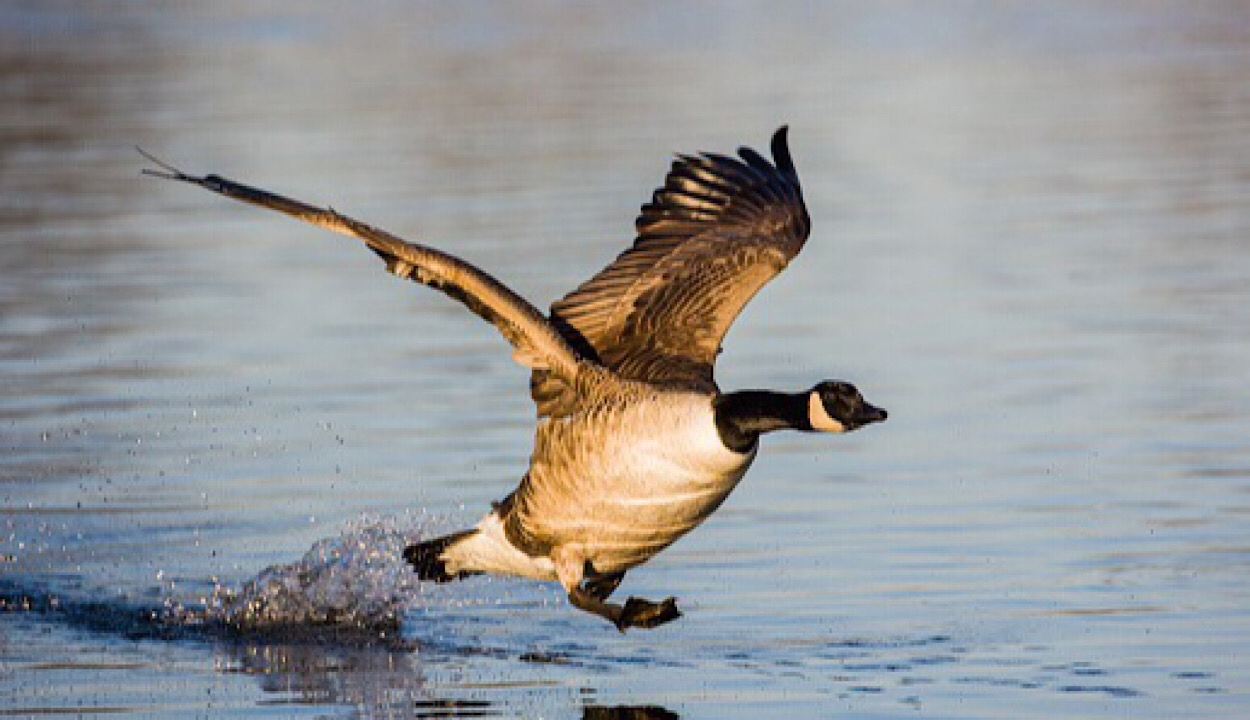
A group of geese that fly in formation together is known as a flock. A group of geese that are assembled on land or in water is referred to as a gaggle.
The primary distinction between a flock of geese and a gaggle of geese is whether or not they fly. A flock of geese can consist of three to twenty birds flying in formation.
The lead bird usually bears the brunt of the wind resistance when they fly in V-shaped formations.
Each Goose will have a turn at the front as the lead bird rotates. When flying, geese can reach speeds of up to 60 mph!
On the other hand, a gaggle of geese is just a collection of geese resting on land or in a body of water.
What is a group of geese called?
A flock of geese is referred to as a gaggle because there is safety in numbers, geese frequently travel in groups.
Together, they can fly and conserve energy by using the wind. Because they are social animals, geese prefer to be around other geese.
They honk to communicate with one another while they are flying together. This expresses their location and activity to other geese.
Is Flock Of Geese Correct?
The answer may surprise you. While “flock” is the more commonly used word to describe a group of geese, “gaggle” is actually the correct term.
A gaggle of geese is defined as a flock of wild geese. Therefore, you can refer to a community of geese that you see in the wild as a gaggle.
How Do You Respond When a Goose Chases You?
- It’s possible to run into a goose or geese in a grassy area, park, parking lot, or other places. For some, it might be a typical occurrence. If not, however, some people might be surprised, especially if the geese make loud noises.
- Panicking is the absolute last thing someone who sees geese should do. They will sense a threat if you do that.
- Adhering to these rules can prevent worrying geese and their chasing you. Keeping our eyes in contact. When you see geese, try not to scream. Stop and give them a natural look. If you ever feel uneasy, you can breathe deeply.
Slow Down
You must move slowly after maintaining eye contact without making any noises or abrupt movements. While returning, make side steps and keep your eyes on the animals. Geese will follow you if you move directly away, so sidestepping is the better course of action.
Being Composed
Maintaining your composure will show the geese that you are not invading their territory. Continue to back away in a sidestep. Never turn or flee. The geese don’t need to be fought with. Never turn away or escape because doing so puts them in danger.
Summary
- This article explains the difference, provides you with the solution and teaches you how to comprehend the geese’s behaviors better.
- They tend to be loud and aggressive, but this is only a result of their instincts for survival and protection.
- You can prevent conflict with them if you don’t disturb or provoke them.
- In the end, a group of geese that fly in formation together is known as a flock.
- A group of geese that are assembled on land or in water is referred to as a gaggle.
Related Articles
GLOCK 22 VS. GLOCK 23: FAQS ANSWERED
NATO ROUND’S 5.56 X 45MM VS 5.56MM: RANGE & USES